






Despite Trudeau promises, more Indigenous people being jailed in Canada
Text: Anna Mehler Paperny
Photography: Nayan Sthankiya
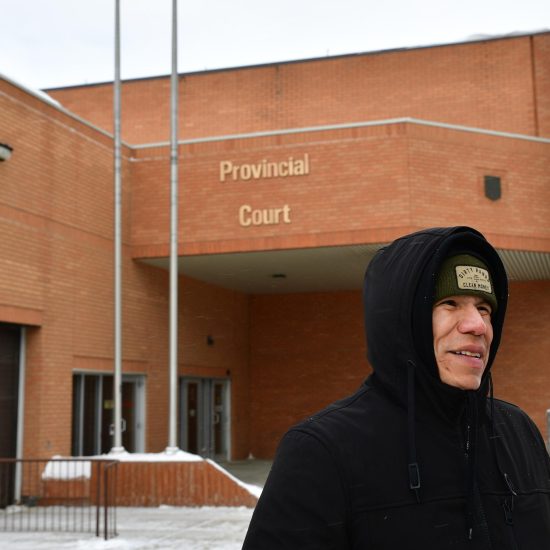
SASKATOON, March 8 (Reuters) - Like a growing number of formerly incarcerated Indigenous people, Marvin Starblanket's life is still governed by Correctional Service Canada rules.

They determine where he sleeps (a halfway house instead of at home with his partner and children), when he clocks in for the night (10 p.m.), whether he drinks alcohol (he is prohibited), and the job he pursues.

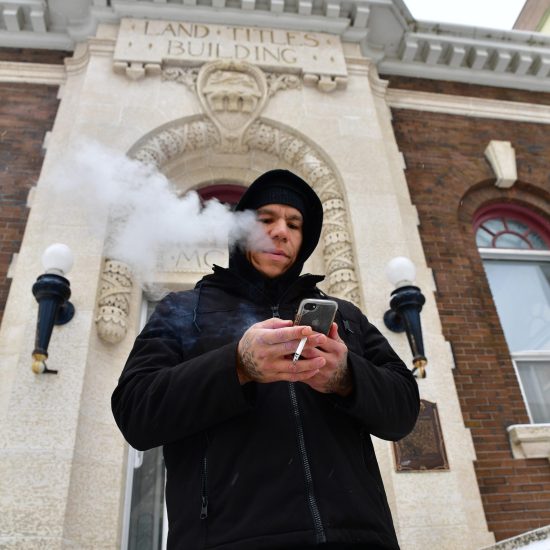
The rules did not stop Starblanket, who is 42, from getting a pair of gray-scale tattoos on the backs of his hands: “Good” on the right, in curly script set against bars of heavenly light; and "Evil," against a smokily stylized skull, on the left.

"Who wins?" he muses. "Depends which one you feed."

Starblanket, a member of the Mistawasis First Nation, has led a life shaped by crime and substance use. He's nearing the halfway point of a five-year supervisory order imposed after his most recent prison stint - just under six years for the hold-up of a convenience store with a Taser.

When Canada's Prime Minister Justin Trudeau took office a decade ago, he pledged "a total renewal of the relationship between Canada and Indigenous peoples." His Liberal Party committed to implementing recommendations from a government commission, opens new tab, which included eliminating within 10 years the over-representation of Indigenous people in custody...