

The Spirit of Community at the Muskoday 2026 Powwow
Photography & Text Nayan Sthankiya
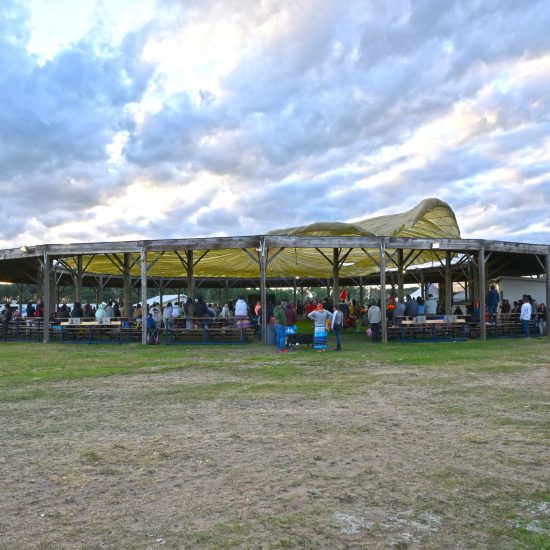
The 2026 Muskoday Powwow was a vibrant celebration of Indigenous culture, tradition, and community, bringing together First Nations, Métis, Inuit, and non-Indigenous visitors from across Saskatchewan and beyond. Held on the beautiful powwow grounds of the Muskoday First Nation, located southeast of Prince Albert, the gathering showcased the enduring strength of Cree and Saulteaux traditions while welcoming people of all backgrounds to experience a weekend of respect, learning, and celebration. Powwows have been a cherished part of Muskoday’s history since the early 1970s, reflecting the community’s long-standing commitment to preserving and sharing its cultural heritage.
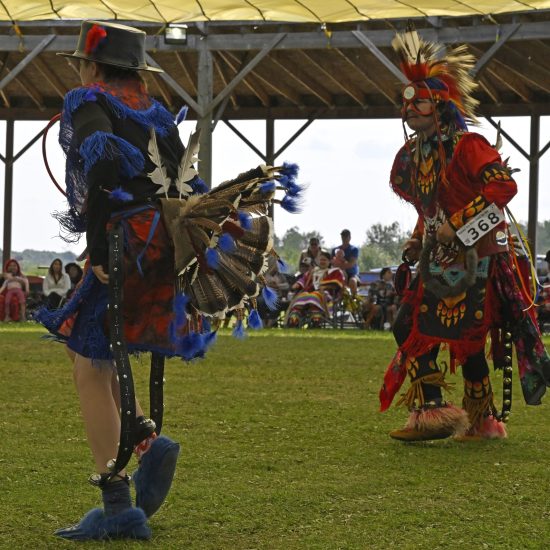
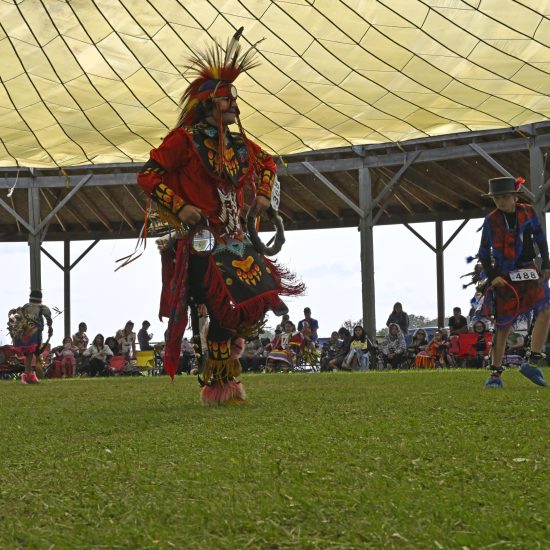
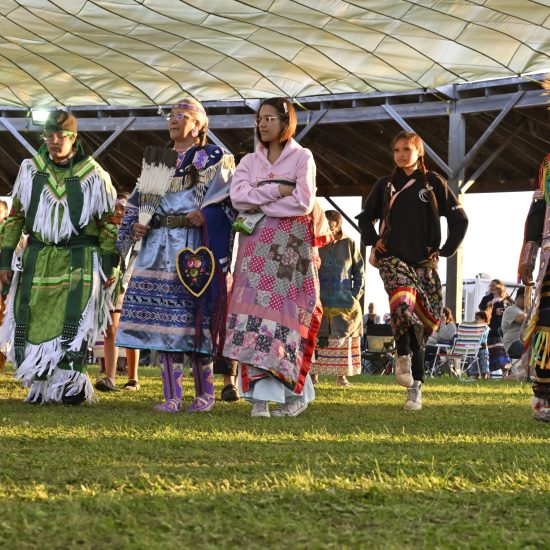
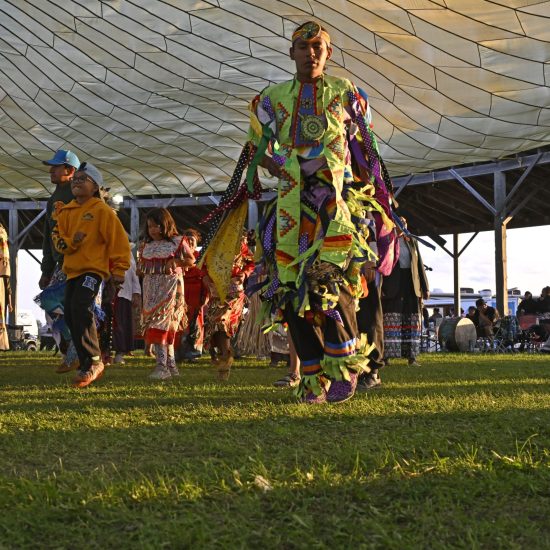
From the moment the Grand Entry began, the atmosphere was filled with pride and excitement. Eagle staffs, national and provincial flags, and respected Elders led dancers into the arbor as the powerful sound of the drum echoed across the grounds. The drumbeat, often described as the heartbeat of Mother Earth, united everyone in attendance. Dancers dressed in brilliantly crafted regalia moved with grace and purpose, each style of dance reflecting generations of history, family traditions, and personal identity.
The powwow featured a wide variety of dance categories, including Traditional, Fancy, Grass, Jingle Dress, and Chicken Dance. Every performance demonstrated remarkable athleticism, discipline, and cultural knowledge. The regalia, decorated with intricate beadwork, feathers, ribbons, bells, and vibrant colours, reflected countless hours of craftsmanship and the unique stories of each dancer. Singers and drum groups provided the rhythm that guided every movement, reminding spectators that the songs themselves are sacred expressions of Indigenous identity.
Beyond the arena, the Muskoday Powwow created opportunities for education and cultural exchange. Local artisans displayed handcrafted beadwork, quillwork, leather goods, paintings, and jewelry, allowing visitors to appreciate the creativity and skill of Indigenous artists. Food vendors offered traditional favourites such as bannock, wild game, and soup alongside contemporary festival foods, creating a welcoming environment where families gathered to share meals and conversation.
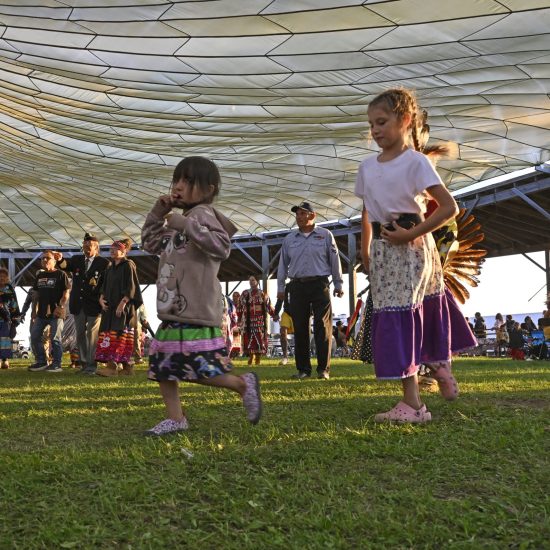
One of the most meaningful aspects of the Muskoday Powwow was its emphasis on community. Families reunited, friendships were renewed, and younger generations learned from Elders through storytelling, ceremony, and observation. Children watched experienced dancers with admiration, while Elders passed along teachings that continue to strengthen cultural identity and community pride. The event served not only as entertainment but also as a living classroom where traditions were celebrated and preserved for future generations.
The 2026 Muskoday Powwow also reflected the growing spirit of reconciliation in Canada. Visitors who had never attended a powwow were welcomed with warmth and encouraged to learn about Indigenous customs and protocols with respect. Through music, dance, art, and shared experiences, the gathering fostered understanding between cultures while honouring the resilience and history of the Muskoday First Nation.
Ultimately, the Muskoday 2026 Powwow was much more than a festival. It was a celebration of identity, resilience, and unity that honoured the past while inspiring hope for the future. Through the heartbeat of the drum, the beauty of the dances, and the generosity of the community, the powwow demonstrated that Indigenous culture remains vibrant, dynamic, and central to the life of Muskoday First Nation and to Saskatchewan as a whole.